Chanderi
Chanderi Sarees
Featherlight, translucent, almost moonlit on the skin.
Chanderi is the rarest of the everyday silks — sheer enough that you can read newsprint through it, yet woven with real zari buttis that hold the light. Every Chanderi in our atelier is loomed in the town of Chanderi in Madhya Pradesh by traditional handloom weavers.
Origin
Where it comes from
The Chanderi weave is mentioned in the Mahabharata and was patronised by Mughal queens. Its lightness comes from the fact that the warp is never starched, leaving the gaps between threads visible — the so-called 'glass-like' transparency.
The Weave
How to read a real one
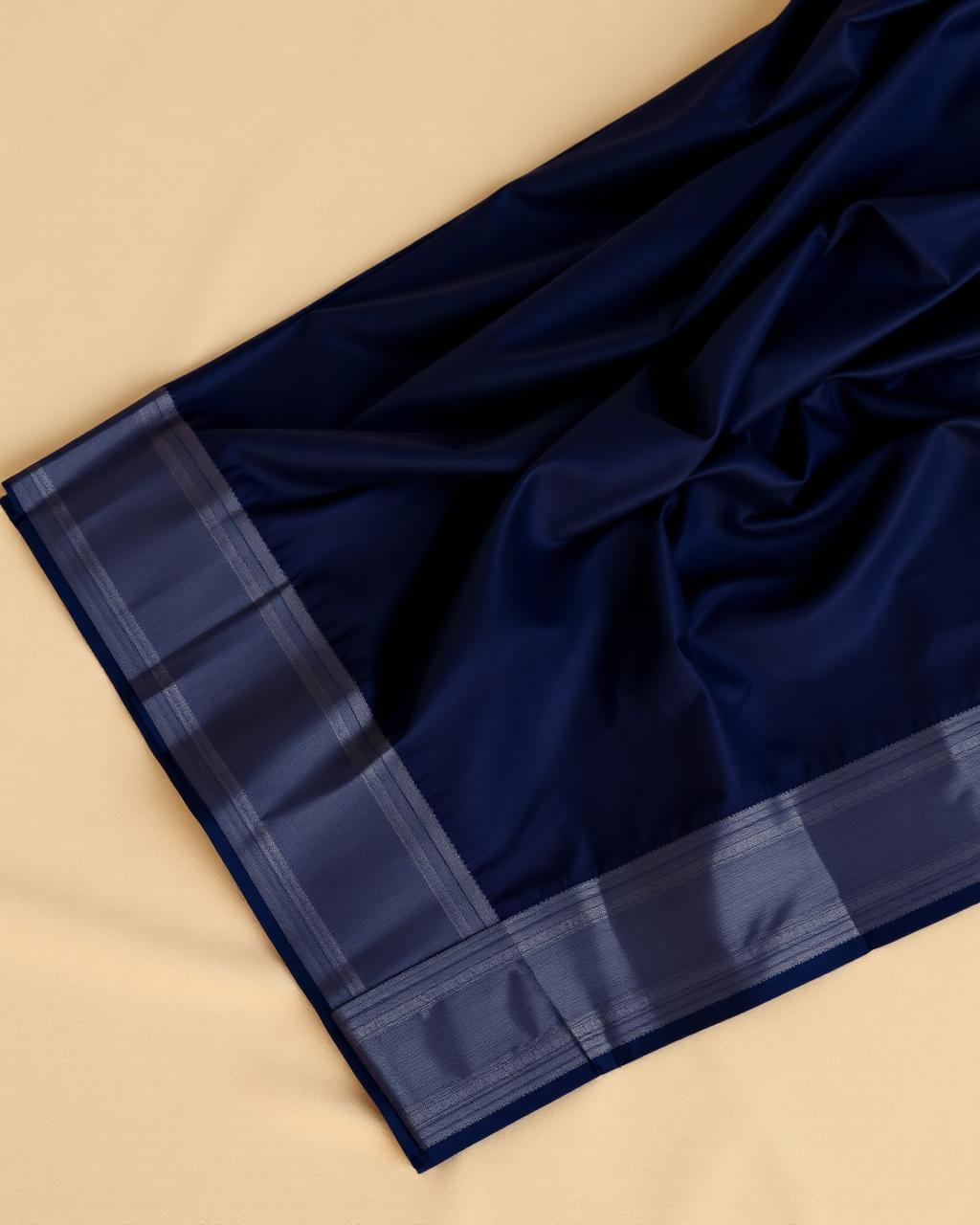
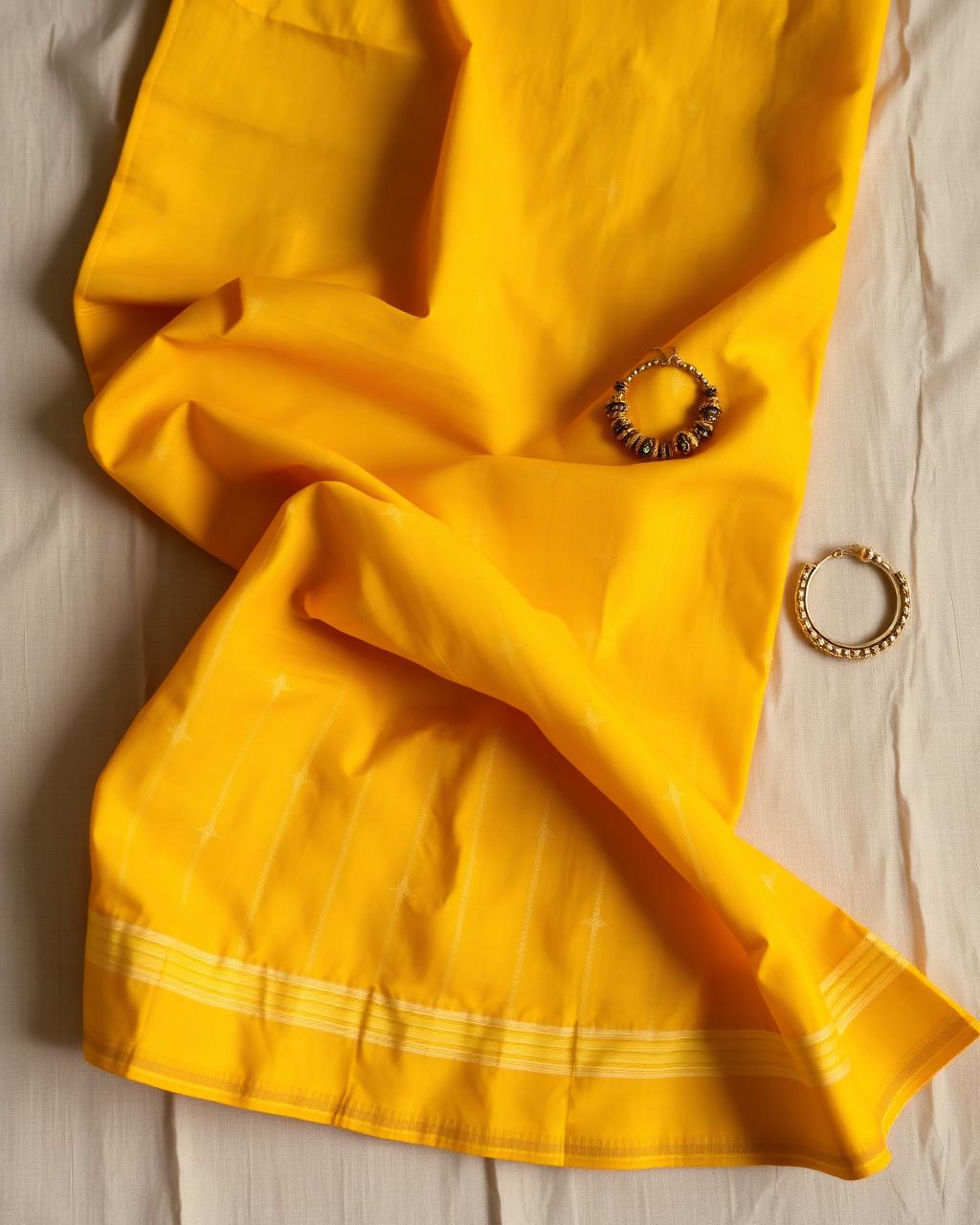
Authentic Chanderi has hand-woven buttis (small motifs) with two distinct threads on the reverse. Look for the traditional motifs: nalferma (peacock), dandidar (geometric), jangla (vine) and bundi (dot).
Styling
How to wear it
- Drape narrow Nivi pleats and let the pallu fall in soft folds — Chanderi is meant to move.
- Pair pastel Chanderis with antique silver oxidised jewellery for daytime ceremonies.
- A deep indigo or wine Chanderi with chand-bali earrings works for evening cocktails.
Care
How to keep it
- First wash dry clean only. After that, gentle cold hand-wash with a silk-safe detergent is fine.
- Never wring. Press between two cotton towels to remove water, then dry flat in shade.
- Iron on low heat while slightly damp for the signature Chanderi crispness.
Questions
What brides and collectors ask
Is Chanderi silk or cotton?
Both. Traditional Chanderi is woven with a silk warp and cotton weft (sometimes called Chanderi-silk-cotton). Pure-silk Chanderis also exist and are sheerer.
Will a Chanderi crease badly?
Less than you'd think. Because the weave is unstarched and the threads are loose, creases steam out almost instantly. Hang in a steamy bathroom for ten minutes.
Can I wear Chanderi to work?
Absolutely — it's one of the few hand-loom silks light enough for an Indian workday. Choose solid pastels or small buttis and pair with closed-toe heels.